
Sustainability commitment
Building a sustainable future
Teijin Aramid's sustainability goals are straightforward, and good for everyone – people, the planet, and our customers and suppliers. We're hands-on in protecting the environment, cutting waste, using less energy, and investing in clean tech. We've forged alliances with our partners to make sustainability a team effort, understanding that sustainability benefits the environment and also has positive impacts on business profitability.

Circular economy
We’re working with our partners to build a circular economy for aramids.

Materials
We've set our sights on transitioning to 25% renewable carbon-based aramids by 2030.

Value chains
Our sustainable value chain alliances connect partners – customers, end-users and recycling hubs.

Net Zero
We aim to become a net zero company by 2050.

Whitepaper
Redefining sustainability in high performance materials
Industries increasingly need materials that combine durability with lower environmental impact. Our new whitepaper explores how Twaron Next®, the world’s first para-aramid made with circular and certified bio-based feedstocks, proves that high performance and reduced fossil reliance can be achieved together. Discover how lifecycle impact, certified innovation, and real world validation are shaping the next generation of responsible high performance materials.

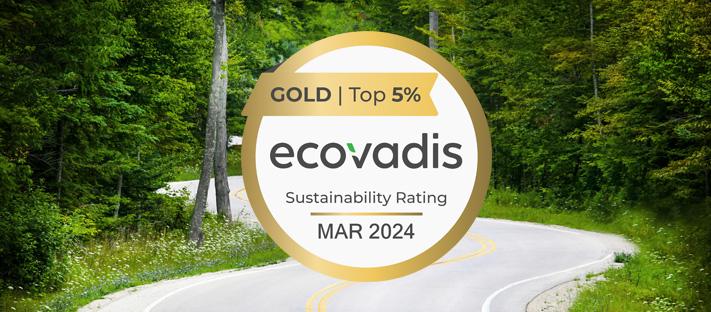
How Teijin Aramid reached EcoVadis Platinum
Reaching EcoVadis Platinum places us among the top 1% of companies assessed for sustainability performance. The score reflects years of collaboration with partners and measurable progress toward our ambitions. Our CTO, Stef Kamperman, shares what this recognition really means, and where we go from here.
Circular economy
Towards a circular aramid chain
A sustainable future includes carbon neutrality without compromising performance. Working towards achieving near-zero waste and full circularity, our team has established specific milestones to be accomplished by 2030. Our steps include more efficient production methods, the use of renewable energy and raw materials and recycling of our aramids.

Sustainability initiatives
Sustainability in action
Our focus is on action rather than words, and we’re making progress in key areas:
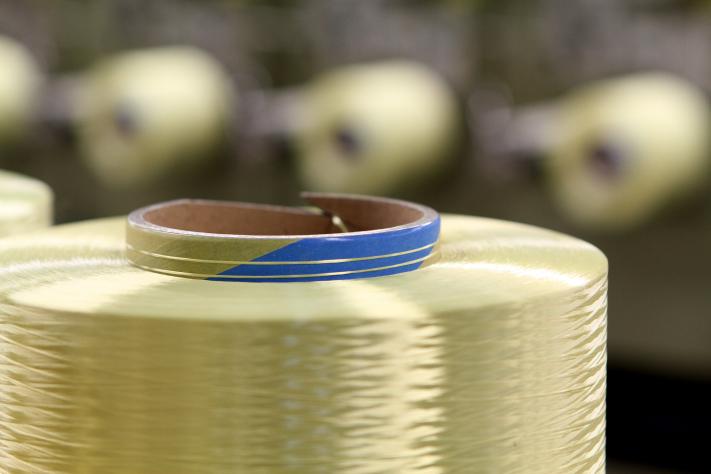
Production of Twaron® using recycled material
In 2023 we achieved industrial-scale trial production of Twaron® using partly recycled feedstock. The product maintains the exceptional strength and durability you've come to expect. This breakthrough is part of our ongoing commitment to incorporate an ever-increasing percentage of recycled content into our aramid yarns.
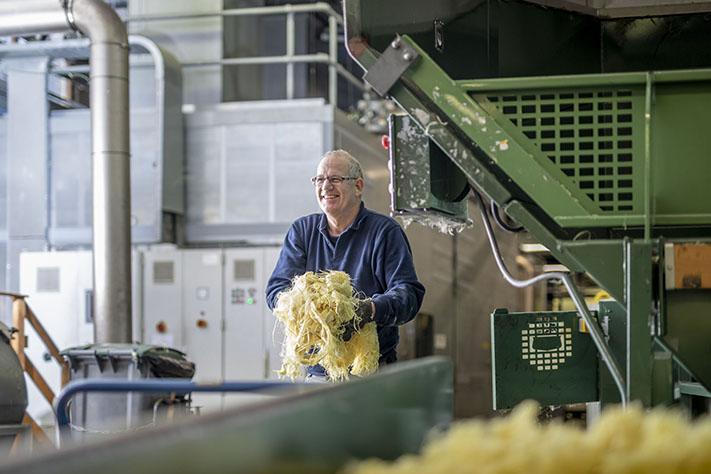
Reclaiming material value
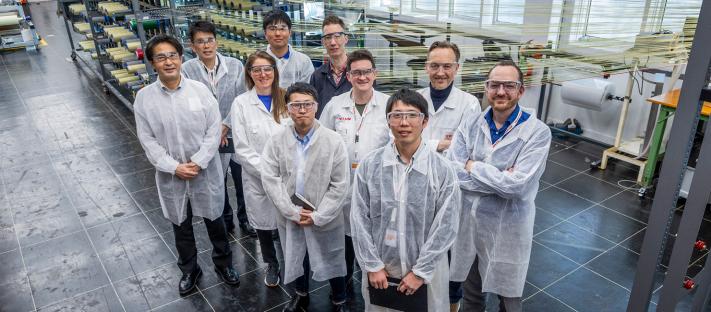
Teijin Aramid’s Take Back Team is working to collect used aramid and process it into new products. For over 20 years, we’ve been mechanically recycling, by processing residual products into pulp. The next step is adding recycled aramid into the spinning process, with the aim of a fully circular aramid chain by 2050
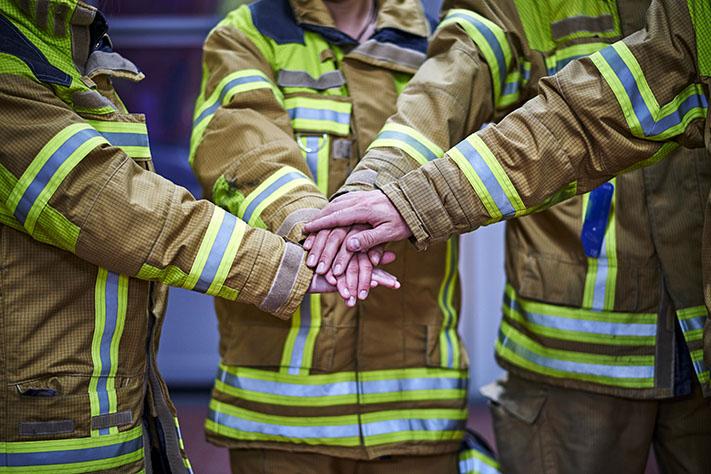
Partnerships fuel sustainability
We teamed up with one of our Sustainable Value Chain Alliance partners, PPE manufacturer LION, to turn retired firefighter PPE into new applications, like helmet ear covers. It’s about making it easy for firefighters to send in their old gear and keeping it out of landfills. This joint venture not only saves resources and reduces reliance on virgin materials but also moves us towards a circular economy.
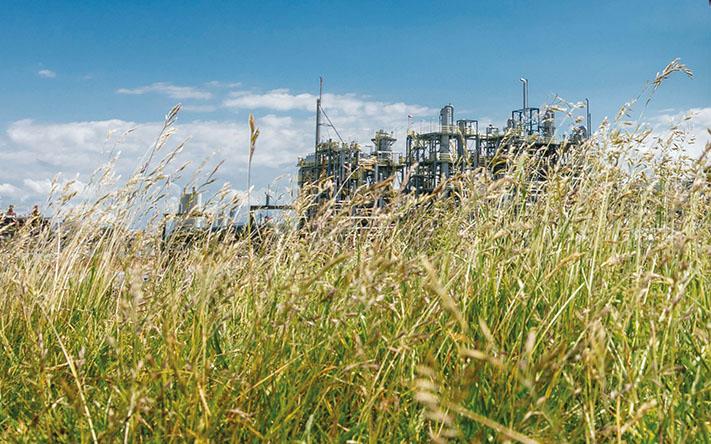
Transitioning to sustainable energy at our facilities
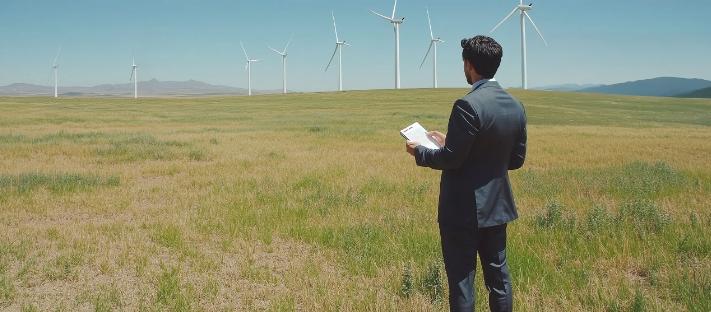
Our plan to meet the 2025-2028 European Energy Efficiency Directive (EED) is on schedule. We’re doing it through improved process control and re-using waste heat at our offices and production sites in the Netherlands. Across all Dutch production locations, we purchase Guarantees of Origin covering 100% of our electricity consumption, ensuring that all electricity used is sourced from renewable energy such as wind and solar power. Additionally, 23% of our heat consumption is supplied by renewable sources.
"The beauty of Twaron Next® is that it performs like a virgin aramid. Helmets made with Twaron Next® are capable of meeting the same ballistic standards while reducing environmental impact. A material that delivers identical performance with less environmental strain actually meets a higher overall standard."
Edwin Busch, CEO Busch PROtective
Expert spotlight

Updates
New and upcoming
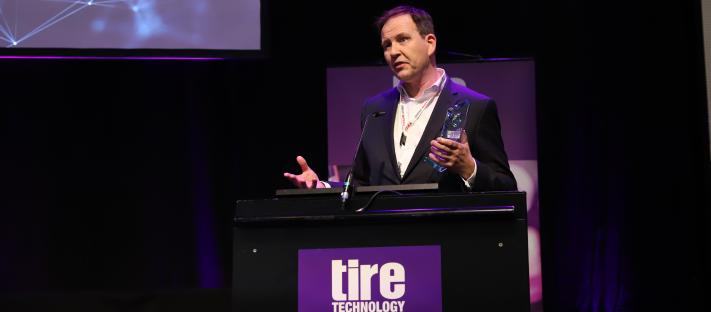
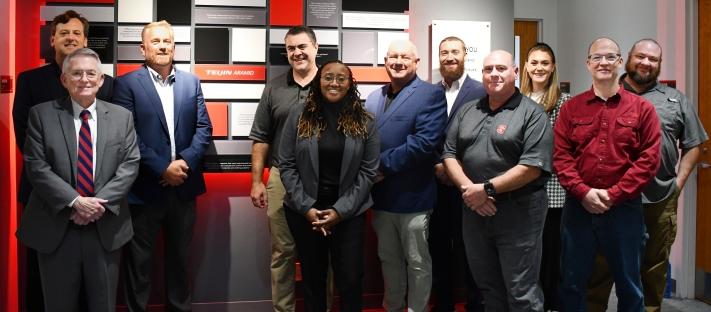
Our sustainability leadership and team are often present at events and seminars, and we frequently release news and stories about our ongoing efforts to realize a circular aramid chain.


Contact
Get in touch
Interested in joining our sustainability journey? Contact us if you have ideas and projects to share, need information, or want to join our Sustainable Value Chain Alliance. We’ll have the right expert get in touch.